Skip to content
Full programme

Night 3 · 3 concerts + aftershow

Saturday 12 December

Teatro GarbatellaAt 20:30

Arbëreshë voices from Calabria, the music of Istanbul, a bridge between Rome and Beirut, and the grand finale with Errichetta Underground.

Anna Stratigò & Vuxhë Grash

At 20:30 · Voices of Arbëreshë women

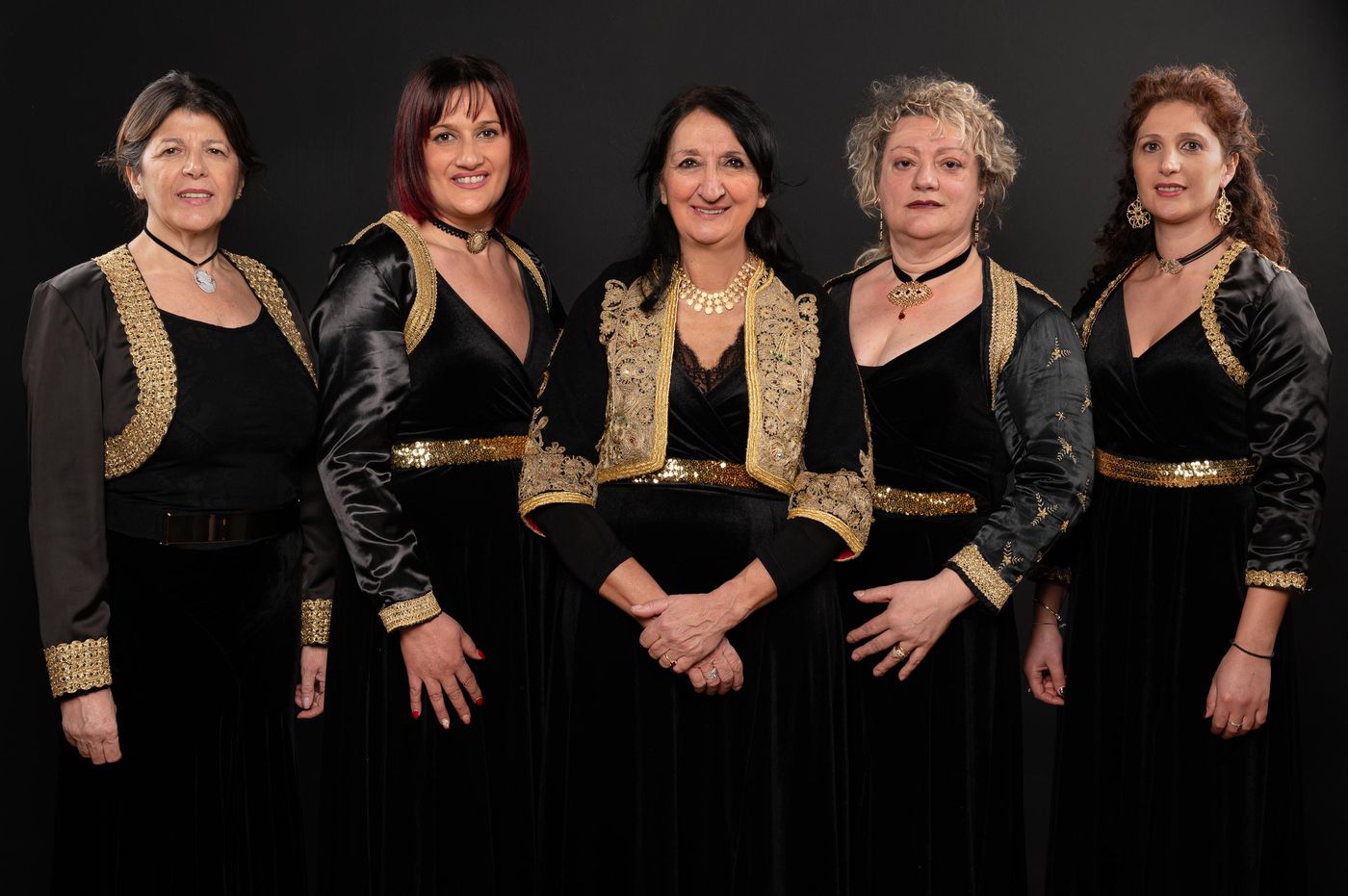
Anna Stratigò & Vuxhë Grash

Italy – Calabria

Arbëreshë culture finding its voice.

  • Anna Stratigò, vocals, guitar and direction
  • Elena Forte, Maria De Filippo, Giuseppina De Filippo, Maria Borrescio, Irene Vaccaro, Caterina Senise, Ernesto Marrazzo, Carmela Milione, voices

Vuxhë Grash ("women's voices") is a women's choir from Lungro, an Arbëreshë community in Calabria, founded and directed by Anna Stratigò. Created in 2017 to preserve the Arbëreshë linguistic heritage (a historic ethno-linguistic minority of Albanian origin settled across Southern Italy and Sicily), the choir performs ancient songs of the Albanians of Italy, some a cappella and others with instruments.

The group also performs the ancient Arbëreshë vallje, traditional dances still alive in the communities as a testimony to very old customs. Since its debut it has given many concerts in Italy and abroad and appeared on several television programmes.

A chance to hear a migration that is above all the testimony of a culture on the move: distant echoes that are still resonating.

Biographies (in Italian)

Anna Stratigò

Musicista e operatrice culturale con più di 40 anni di attività artistica, vive a Lungro, paese albanofono in provincia di Cosenza dove la cultura arbëreshe è molto viva. Ha fondato e dirige da vent'anni l'associazione culturale Officina della musica (Oficina e Muzikës) e nel 2017 ha creato il coro Vuxhë Grash, un coro femminile che esegue antichi canti degli albanesi d'Italia. La sua attività è raccontata nel film Arberia (2018, Open Field, regia di Francesca Olivieri). Il suo contributo alla preservazione di un repertorio musicale prezioso testimonia la necessità di confrontarsi con un passato dinamico, fonte perenne di scambi.

At 21:45

Dilek Türkan Trio

Turkey

Music, elegance and depth in the Turkish tradition.

  • Dilek Türkan, vocals
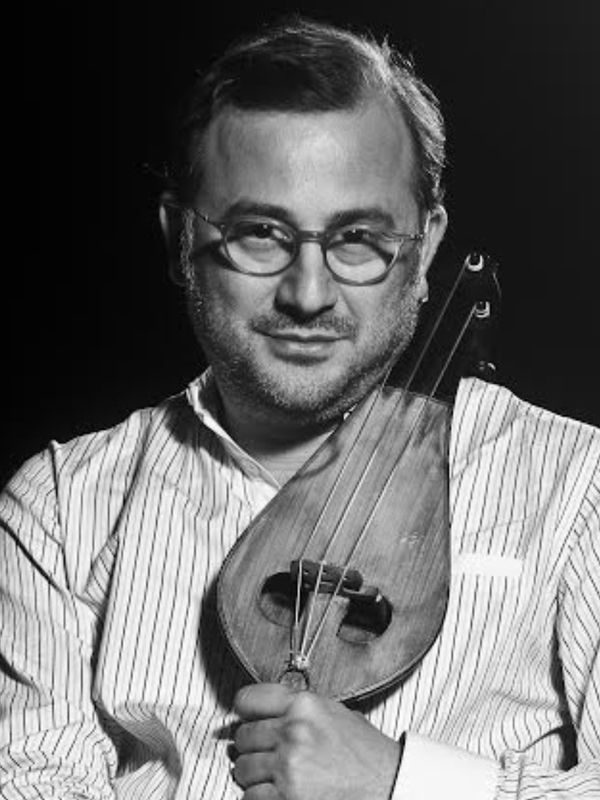
  • Derya Türkan, Istanbul kemençe
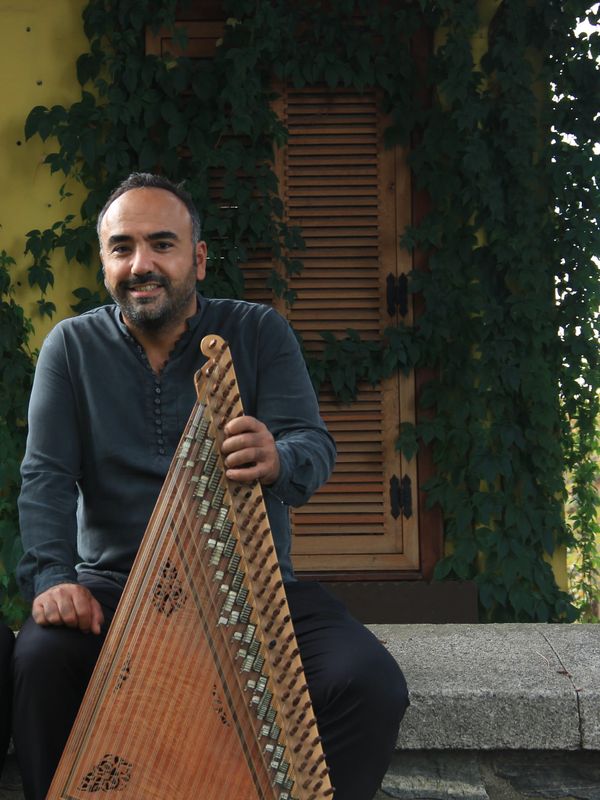
  • Savaş Özkök, kanun

A special encounter centred on the music of Istanbul. Dilek Türkan is joined by Savaş Özkök on kanun and Derya Türkan on Istanbul kemençe: together, these three masters bring to the stage the elegance and depth of a rich musical tradition.

The programme ranges from 17th-century classical songs to the traditional folk melodies of Istanbul. Shaped by improvisation and subtle interplay, these works come alive with a fresh, spontaneous approach, offering a unique listening experience inspired by the city's diverse musical heritage.

Supported by the Canti Popolari Turchi choir

Biographies (in Italian)

Dilek Türkan

Una delle rappresentanti di maggior successo della musica turca, ha iniziato la carriera con la musica tradizionale turca e si è esibita in numerose opere importanti con orchestre sinfoniche, nel jazz e nella musica folk. Ha portato le sonorità della musica turca a un vasto pubblico con una prospettiva moderna, a partire dal primo album solista Aşk Mevsimi (Kalan). I suoi album An e Suya Söyledim, pubblicati da Sony Music, hanno ottenuto numerosi successi. Nel 2022 ha presentato il nuovo progetto İz con Ada Music.

Derya Türkan

Nato a Istanbul nel 1973, è uno dei massimi maestri del kemençe classico. Si è formato con İhsan Özgen al Conservatorio Statale dell'Università Tecnica di Istanbul (1984-1994) e dal 1991 lavora per la Radio TRT di Istanbul. Dal 1992 si esibisce a livello internazionale con il maestro di ney Kudsi Ergüner. Ha registrato Letter from Istanbul (1997, vol. 2 nel 2018) e Soundplaces con Sokratis Sinopoulos, Silk Moon con Renaud Garcia-Fons, Fuad con Djivan Gasparyan ed Erkan Oğur, Minstrels Era con Renaud Garcia-Fons e Uğur Işık, e i due volumi di Istanbul Kemençesi. Ha fondato con Cengiz Onural l'ensemble İncesaz. Si è esibito alla Filarmonica di Berlino, al Concertgebouw di Amsterdam e alla Carnegie Hall, ed è stato ospite di Jordi Savall e Hespèrion XXI. Nel 2025 è diventato il primo artista turco a vincere l'Aga Khan Music Award. Ha collaborato alle musiche del film Argo e insegna nell'accademia che ha fondato a Berlino con la moglie Dilek Türkan.

Savaş Özkök

Nato nel 1980 a Gaziantep, ha iniziato a studiare musica nel 1988 con il padre, fondendo le melodie della Mesopotamia con le tradizioni della musica ottomana e mevlevi. Si è formato al Conservatorio Statale di Musica Turca dell'Università Tecnica di Istanbul e all'Università di Haliç. Dal 2003 suona con l'Ensemble di Musica Turca di Stato di Bursa e con l'Oriental Ensemble di Burhan Öçal; ha suonato con Ömer Faruk Tekbilek e con l'ensemble dei Dervisci di Konya. Ha registrato Groove à la Turca con l'Orchestra Filarmonica di Zurigo diretta da Howard Griffiths. Dal 2019 suona in trio con Derya Türkan e Vincent Ségal e dal 2021 con Derya e Dilek Türkan.

Stereoteismo
Stereoteismo

At 23:00 · Album launch

Stereoteismo

Italy, Lebanon

From the shared roots of distant traditions towards a beating musical heart.

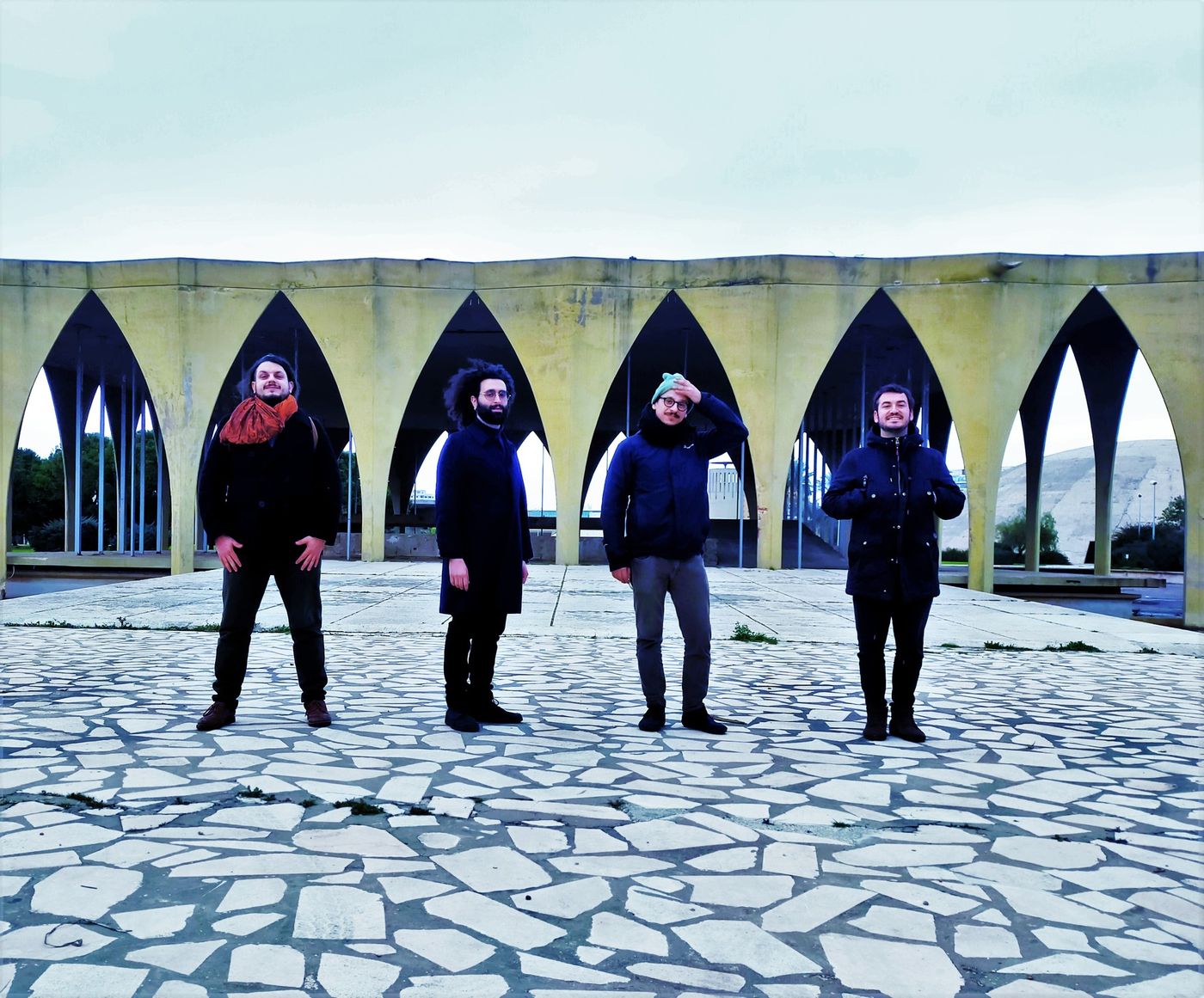
  • Federico Pascucci, tenor sax, G clarinet, ney
  • Samah Boulmona, accordion and vocals
  • Iacopo Schiavo, guitar and oud
  • Shanti Colucci, drums and nagara

As its ironic name suggests, the project looks for the voice of today's Mediterranean: when the cultures of this sea embrace each other and transcend the “mono”, the sound of Stereoteismo is born.

The Italian-Lebanese quartet Stereoteismo comes to Errichetta Festival on Saturday 12 December to preview a long-awaited album. Recorded in Beirut during a long artistic residency supported by the Arab Fund for Arts and Culture (AFAC), the album tells the ensemble's musical story and marks a creative turning point.

The record is in two parts (two sides of the vinyl edition): one side documents the search for common roots in seemingly distant musical traditions, drawing on the four members' expertise in Arabic, Turkish, Balkan, Indian and flamenco music; the other side gathers original contemporary music inspired by that research and composed with expressive freedom by the members of Stereoteismo.

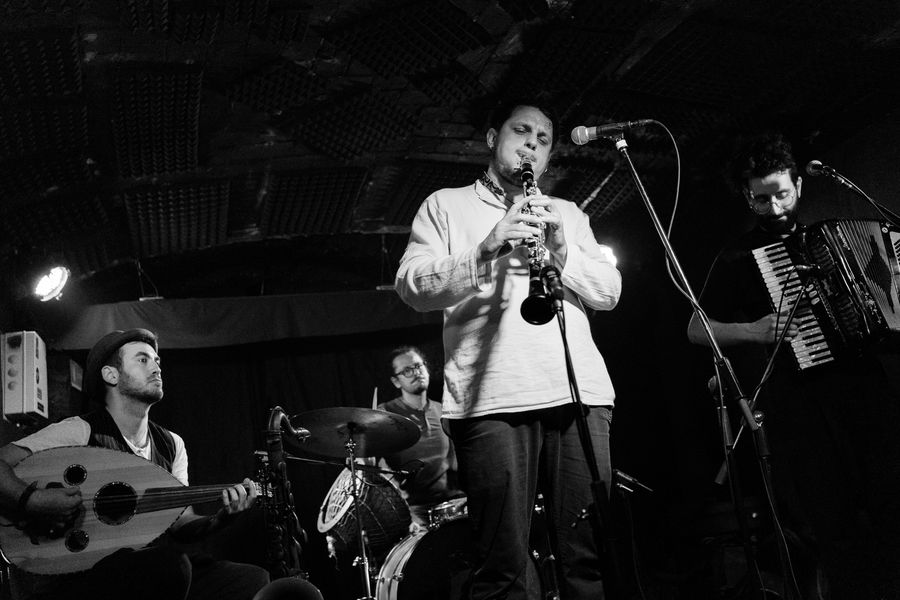
In 2023 Errichetta Festival staged the Roma-Beirut Connection Orchestra, bringing the musicians of Stereoteismo together on stage with three masters from Lebanon. In 2026 we get to witness the preview launch of the quartet's album.

Roma-Beirut Connection Orchestra, live at Errichetta Festival 2023

Biographies (in Italian)

Federico Pascucci

Sassofonista, clarinettista, suonatore di ney, compositore ed educatore. La sua ricerca intreccia jazz e tradizioni musicali dei Balcani, dell'Asia Minore e del Medio Oriente, con particolare attenzione alle musiche tradizionali e ai makam. Formatosi tra Roma, Lisbona e Amsterdam come sassofonista jazz, ha studiato musica classica ottomana con musicisti come Ömer Erdoğdular, Mohammed Antar, Ross Daly ed Evgenios Voulgaris, collaborando con artisti del jazz e della musica tradizionale internazionale. La sua ricerca, confluita anche nella tesi magistrale The Saxophone in the Balkans (Conservatorium van Amsterdam, 2016), si sviluppa attraverso progetti come Errichetta Underground, Balkan Lab Orchestra, East Trio, Stereoteismo e Amorklab, e in concerti e collaborazioni in tutta Europa, tra cui quelli con la Kočani Orkestar e la Bojan Ristić Brass Band. È autore di colonne sonore premiate e cofondatore dell'Errichetta Festival. Nel 2023 è stato artista in residenza all'Istituto Italiano di Cultura del Cairo e ha ricevuto un grant dall'Arab Fund for Arts and Culture in Libano. Dal 2019 diffonde in Europa la cultura musicale del vicino Est nei workshop di Balkan Lab Orchestra e dal 2026 in quelli del Music Village di Agios Lavrentios in Grecia; insegna musica ottomana presso l'Istituto Yunus Emre di Roma.

Samah Boulmona

Fisarmonicista, cantante e compositore. Nato sul Monte Libano, è un musicista libanese attivo tra Roma e Beirut. La sua ricerca musicale unisce la tradizione dei maqamat arabi alla sperimentazione contemporanea, attraverso una fisarmonica modificata per eseguire i microtoni. Attivo per anni nella scena musicale indipendente di Beirut, ha collaborato con numerosi artisti e partecipato a progetti internazionali come OneBeat. È membro di Stereoteismo e TILT Trio e dirige il coro Nass il Kiff a Roma.

Iacopo Schiavo

Unisce nel suo stile chitarristico jazz, flamenco, musiche orientali e ritmi latinoamericani. Compositore e chitarrista del quartetto OutAut, collabora con artisti e formazioni di musica folk, tra cui Lavinia Mancusi e Calabria Orchestra, e dal 2020 fa parte della band SuRealistas, con cui è in tournée in tutta Europa. Nello stesso anno pubblica l'album Acquamarina con il chitarrista Paride Pignotti. Dopo un periodo in Spagna per approfondire lo studio del flamenco, nel 2022 entra in Stereoteismo, progetto premiato dall'AFAC (Arab Fund for Arts and Culture). Ha collaborato, fra i tanti, con Orchestra di Piazza Vittorio, Max Gazzè, Morgan, Javier Girotto, Mishell Domenssain e Bobo Rondelli.

Shanti Colucci

Batterista, percussionista, compositore e arrangiatore di Roma. Grazie ai numerosi viaggi in Oriente, soprattutto in India, Nepal e Libano, e alla formazione accademica jazz ricevuta presso i più importanti istituti musicali italiani, ha sviluppato un linguaggio personale che fonde Oriente e Occidente. Questo linguaggio si riflette nel suo drum set, ideato per il quartetto Stereoteismo, che unisce elementi essenziali della batteria jazz e tre tamburi nagara, originari del Rajasthan. Oltre a Stereoteismo collabora con numerosi progetti di musica originale, con cui si esibisce nei più importanti teatri e festival nazionali e internazionali.

Errichetta Underground

After the concerts · Grand finale and aftershow

Errichetta Underground

Italy

Joy in motion.

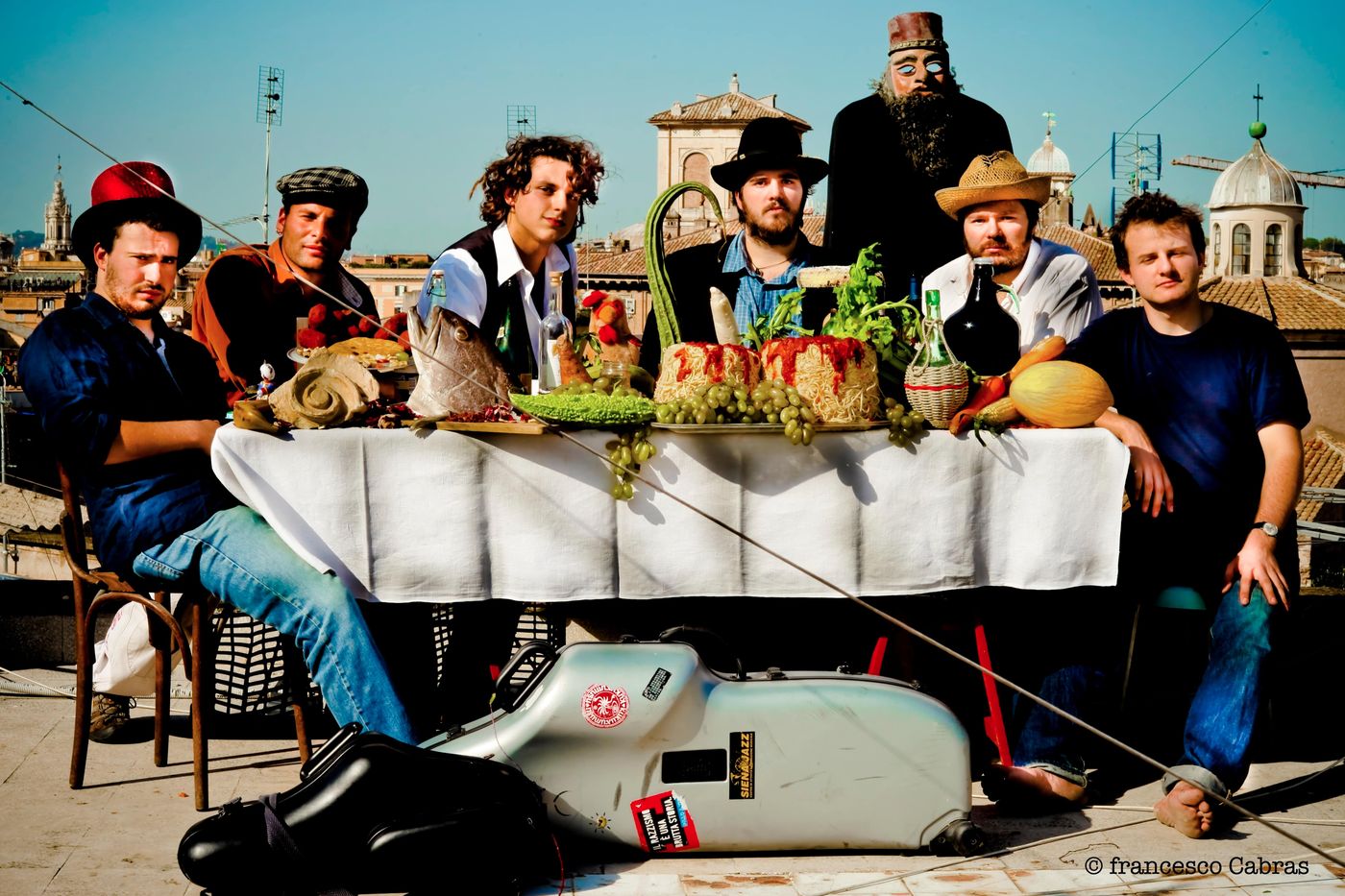
  • Federico Pascucci, tenor sax
  • Ange Sierakowski, clarinet
  • Edoardo Petretti, accordion
  • Carlo Hintermann, percussion
  • Marco Zenini, double bass

Born in Rome in 2007 from the meeting of musicians with very different backgrounds (classical music and jazz, klezmer and Balkan music, contemporary art music and free improvisation), Errichetta Underground grew around a shared passion for the traditional music of South-Eastern Europe.

Over the years the band has forged its own identity by reworking repertoires from across the Balkans, with special attention to Romania, Serbia, Greece and Turkey, through albums, concerts and tours in Europe. Its hallmark has always been a playful, free approach: room for improvisation, strong soloists and a remarkably flexible sound.

Life has taken its members to many parts of the world, from Portugal to Germany, from Greece to Romania, from France to the United States. Yet Errichetta Underground remains a shared home, a family born of music that regularly returns to its roots in Rome.

As tradition has it, the band closes the festival with its after party: a concert that is above all a celebration, an invitation to be swept away by Balkan sounds and to celebrate the Errichetta spirit together.

The other nights

A production by

Officina delle Culture APS

Supported by

Ministero della Cultura, DiAC Dipartimento per le attività culturaliMinistero della Cultura, Direzione Generale SpettacoloRoma CapitaleIstituto Polacco di RomaIstituto Yunus Emre, Centro Culturale TurcoISMEOCoro Canti Popolari Turchi

Italian Ministry of Culture (FNSV), City of Rome, Municipio Roma VIII, ISMEO International Association for Mediterranean and Oriental Studies, Polish Institute in Rome, Yunus Emre Institute Turkish Cultural Centre, Canti Popolari Turchi choir.